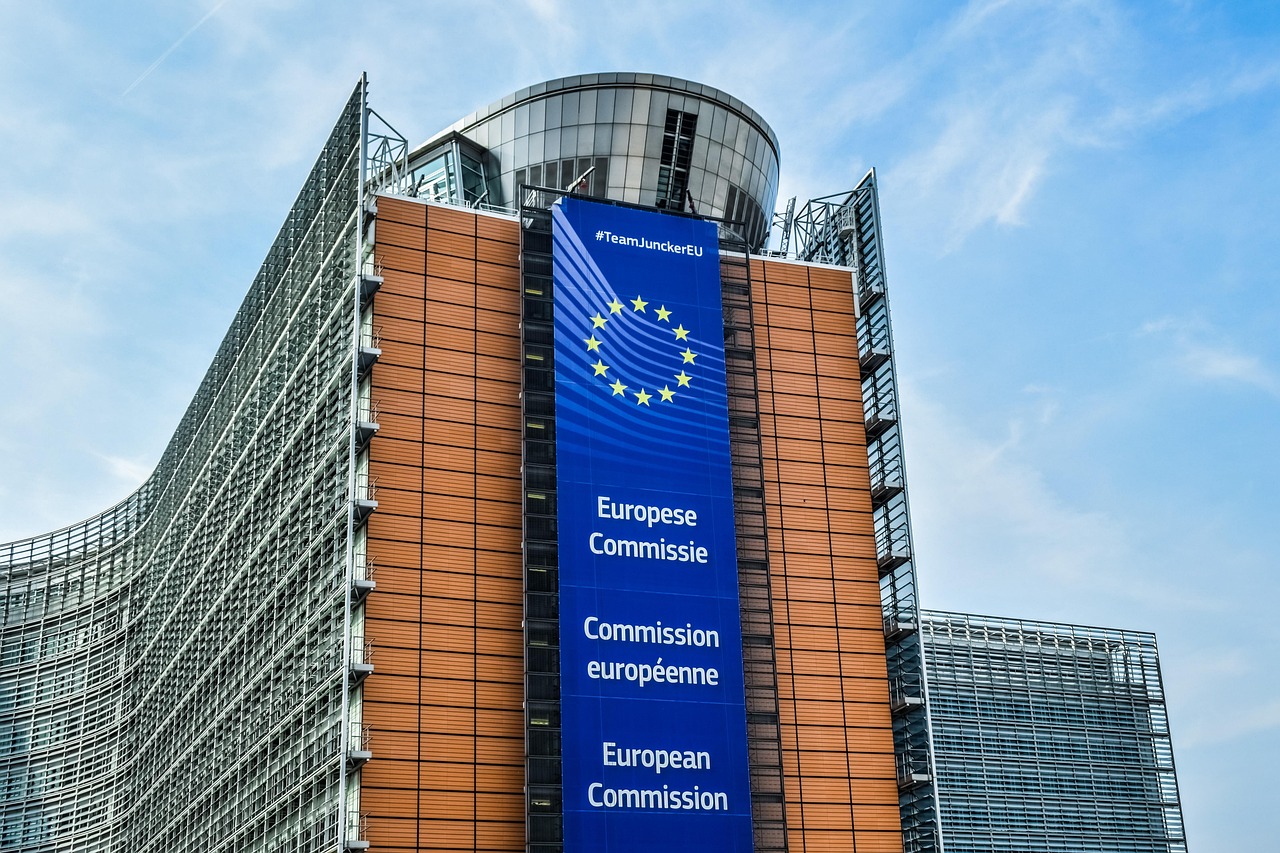
Your inbox has carried two contradictory headlines this year: “EU delays sustainability reporting” and “EU bans carbon-neutral claims”. Both are true. Teams that acted on the first and missed the second will be rewriting their event marketing in a hurry this September.
Event sustainability regulations did not get simpler in 2026. They got quieter in one place and sharper in another, and the sharp edge points at what you claim, not just what you report.
This briefing maps what applies now, what lands next, and what to prepare for each deadline. Every date is current as of August 2026.
What Event Sustainability Regulations Actually Apply Now?
Most event organisations fall outside direct CSRD scope after the EU’s 2026 Omnibus changes. Three obligations still reach them: the EU ban on offset-based carbon-neutral claims from 27 September 2026, Scope 3 data requests from clients and sponsors who do report, and emerging disclosure regimes in the UK and California.
That is the short answer. The longer answer is that regulation reaches event teams through two channels, on different schedules.
The first channel governs what you may claim. The EU’s Empowering Consumers Directive restricts how any business markets its environmental performance to consumers, whether or not it ever files a sustainability report.
The second channel governs what your clients and sponsors must report. CSRD in the EU, the new UK Sustainability Reporting Standards, and California’s climate disclosure laws all require covered companies to account for their value chain. The GHG Protocol’s Scope 3 Standard sorts those value-chain emissions into fifteen categories, and event spend lands in several at once: travel, accommodation, catering, production, logistics. When a covered company buys your event, its reporting obligation becomes your data request.
Here is each regime, ordered by how soon it bites.
The Carbon-Neutral Claims Ban Arrives 27 September 2026
The nearest deadline is not a reporting rule at all. It is a marketing rule, and it is weeks away.
Directive (EU) 2024/825, the Empowering Consumers Directive, was adopted in February 2024. Member states had until 27 March 2026 to transpose it and must apply its measures from 27 September 2026.
Two prohibitions matter most for events. First, the directive blacklists offset-based climate claims as unfair commercial practices: claims that a product or service has a neutral, reduced, or positive climate impact based on greenhouse gas offsetting are prohibited in all circumstances. Second, generic environmental claims (the directive’s examples include “climate friendly”, “eco-friendly” and “green”) are prohibited unless recognised excellent environmental performance backs them.
Read those together and the pattern is unmistakable. The “carbon-neutral event” badge, earned by buying offsets against a loosely measured footprint, is precisely the construction the blacklist targets.
One nuance keeps the claim honest: the directive governs consumer-facing commercial practices. A ticketed festival sits squarely in scope; a closed corporate conference marketed only to businesses sits less directly in it, though member-state implementations differ and few brands want banned language in any channel.
The standalone Green Claims Directive is a separate story: the European Commission announced its intention to withdraw it in June 2025. That softens nothing. The Empowering Consumers Directive is already law, and it arrives on schedule.
What this means for an event team: audit every environmental claim in your event marketing before September. A claim survives scrutiny only when measured data stands behind it. “Carbon-neutral, via offsets” is the banned pattern; “measured footprint of X tonnes CO2e across travel, catering and production, reduced Y percent year on year” is the defensible one. If the measurement does not exist yet, neither should the claim.
Does CSRD Still Apply to Event Organisers?
Directly: rarely. Indirectly: constantly.
The EU’s Omnibus reforms, approved on 24 February 2026, narrowed mandatory CSRD reporting to companies with more than 1,000 employees and more than EUR 450 million in net turnover, and pushed the former second wave’s first reports to 2028, covering financial year 2027. Few event organisers or agencies clear both thresholds. Our analysis of the 2026 emissions disclosure changes covers what the changes mean for event teams in detail.
The reason CSRD still belongs in your planning is the cascade. The largest companies are reporting now, and their reports must cover value-chain emissions across the GHG Protocol’s fifteen Scope 3 categories. An event concentrates a sponsor’s travel, catering, production and logistics spend into a single line of their emissions accounting. Their obligation is auditable, so the numbers they collect from suppliers must be defensible.
The practical consequence: the data request arrives on the sponsor’s reporting timeline, not on any deadline addressed to you. A sponsor closing its accounts does not care that your organisation was never in CSRD scope. It cares whether you can hand over structured, category-level emissions data that survives its auditor’s second question.
When Do the UK Sustainability Reporting Standards Bite?
The UK now has its own disclosure framework. On 25 February 2026, the Department for Business and Trade published the final UK SRS S1 and S2, the UK’s endorsement of the international ISSB standards. They are voluntary today.
The mandatory phase is queued. The Financial Conduct Authority is consulting on requiring listed companies to report against UK SRS from 1 January 2027, with a policy statement expected in autumn 2026. Climate disclosures under S2 carry the same value-chain logic as CSRD: Scope 3 included, events included.
For event teams, the UK timeline reads as a preparation window of roughly one year. UK-listed clients and sponsors will spend 2026 building their data collection, which means their procurement teams will ask event suppliers for emissions data before the first mandatory report is filed. Teams that can already produce a measured, category-level footprint will answer in days. Teams that cannot will improvise under deadline.
What Are the California SB 253 Deadlines?
The United States has no federal equivalent in force, but California’s climate disclosure package reaches any large company doing business in the state, which covers a large share of the global events market’s sponsors and clients.
Under SB 253, US companies with more than $1 billion in annual revenue that do business in California must report Scope 1 and 2 emissions in the first cycle, a deadline CARB deferred to 10 November 2026, and Scope 3 reporting is anticipated to begin in 2027, with the reporting details set in a separate CARB rulemaking. Its companion law SB 261, covering climate-related financial risk, is currently paused by a court injunction, so its schedule is genuinely uncertain and worth watching rather than acting on.
The signal for event teams is the 2027 Scope 3 clock. Business travel and purchased services, where event spend sits, are among the categories under discussion. A US-exposed sponsor that must file auditable Scope 3 data for 2027 will start collecting supplier data during 2026 and early 2027. The direction of travel matches the EU and UK exactly.
Getting Ahead of Event Sustainability Regulations: The Pattern to Plan Around
Put these four event sustainability regulations side by side and one trend line emerges. Who must file keeps shrinking: Omnibus narrowed CSRD’s scope, the Green Claims Directive is being withdrawn, UK SRS starts with listed companies only. What a claim or report must prove keeps tightening: offset-based neutrality claims banned outright, Scope 3 made auditable, assurance requirements phasing in.
Waiting because the rules seem to keep retreating is a bet against the second line. The second line has not retreated once.
Every regime above converges on the same requirement: measured, category-level, defensible emissions data. That makes readiness a single body of work rather than four compliance projects:
- Baseline this year’s events. A structured footprint measured now is the reference point every later report, claim and reduction target needs.
- Capture emissions by category. Travel, accommodation, catering, production and logistics map directly onto the Scope 3 categories your stakeholders report against.
- Keep the methodology citable. Recognised carbon accounting methodologies and current emissions factors separate a defensible number from a spreadsheet guess.
- Audit marketing claims against the September rules. Any neutrality or generic environmental claim without measurement behind it should be rewritten or retired before the directive applies.
- Prepare for the request, not the regulation. The binding deadline is the day a sponsor’s data request lands, set by their reporting calendar, not yours.
Generic corporate carbon tools were not built around event footprint categories, which is why purpose-built measurement for events exists as a discipline. Whatever tooling you choose, hold it to one standard: would the number survive an auditor, a sponsor’s ESG team, and a regulator reading your marketing?
The Deadlines Differ. The Demand Converges.
27 September 2026: claims need measurement behind them. 10 November 2026: the first California filings. 1 January 2027: the UK’s expected mandatory start. 2027: auditable Scope 3 in California, with the former CSRD wave two preparing for 2028. Different dates, one demand: numbers that survive scrutiny.
Event sustainability regulations have stopped rewarding pledges. They increasingly require measured data, and they punish claims that lack it. Event teams that build a defensible baseline this year will meet every deadline above from the same foundation, and answer sponsor requests without a scramble. Our industry trends and regulation briefings will keep tracking these deadlines as they move.
If your organisation needs that baseline before the requests arrive, book your Carbon Strategy Session and map your measurement approach against the deadlines that apply to you.
Frequently asked questions
- Does CSRD apply to event organisers?
- Rarely in a direct sense. The EU's 2026 Omnibus reforms narrowed mandatory CSRD reporting to companies with more than 1,000 employees and more than EUR 450 million net turnover, thresholds few event organisers or agencies clear. Indirectly it applies constantly, because covered clients and sponsors must collect defensible value-chain emissions data from the events they buy.
- When does the EU ban on carbon-neutral claims start?
- From 27 September 2026, when member states must apply the Empowering Consumers Directive (EU 2024/825). Claims that a product or service has a neutral, reduced or positive climate impact based on offsetting are prohibited in all circumstances, and generic environmental claims are banned unless recognised excellent environmental performance backs them.
- When do the UK Sustainability Reporting Standards become mandatory?
- UK SRS S1 and S2 were published on 25 February 2026 and are voluntary today. The FCA is consulting on requiring listed companies to report against UK SRS from 1 January 2027, with a policy statement expected in autumn 2026.
- What are the California SB 253 reporting deadlines?
- US companies with more than $1 billion in annual revenue doing business in California must report Scope 1 and 2 emissions by 10 November 2026, and Scope 3 reporting is anticipated to begin in 2027. The companion law SB 261 is currently paused by a court injunction.